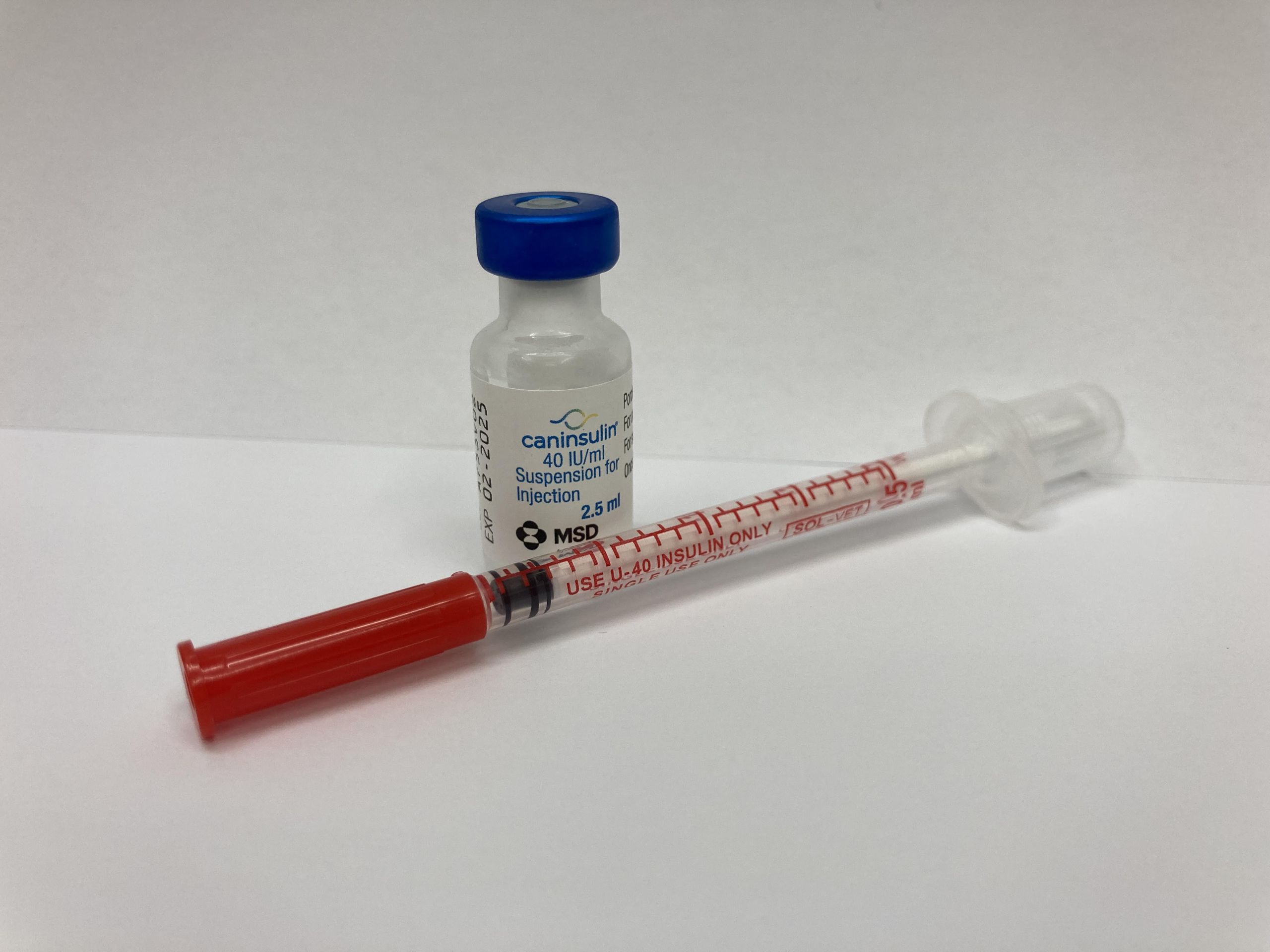
This post may be of interest to you if your dog has been diagnosed with Diabetes mellitus, more commonly known as diabetes.
What is diabetes mellitus?
Diabetes mellitus is a condition where there is a problem with insulin in the body, either the pancreas is not making enough insulin or the cells are not responding properly to the insulin that is being made (known as insulin resistance). Sometimes it may be a combination of both. Insulin is a vital hormone that helps control glucose (sugar) levels in the blood and allows cells to use the glucose for energy. When insulin is not functioning properly then glucose builds up in the blood, this is known as hyperglycaemia.
How is it treated?
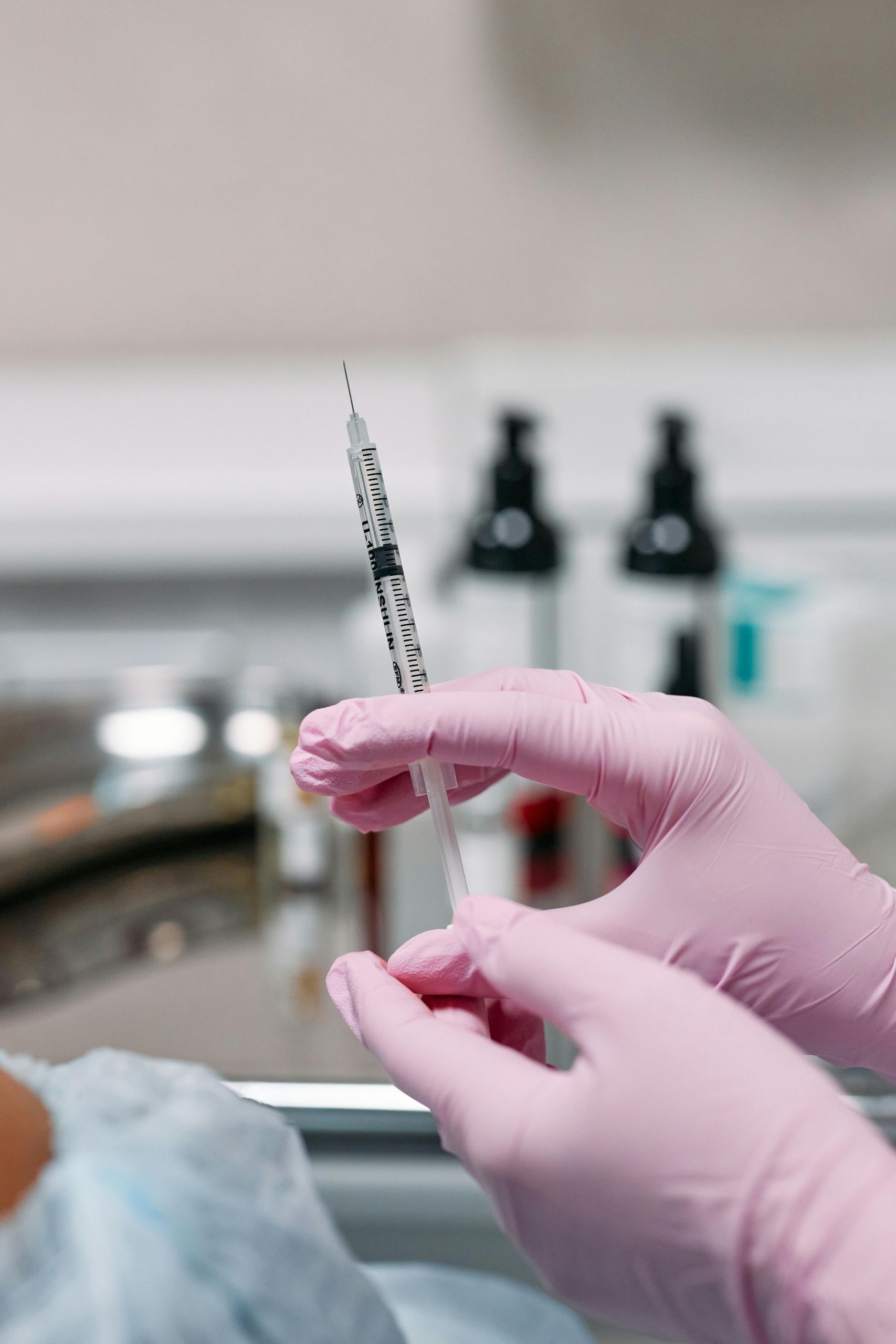
Diabetes is treated by twice daily insulin injections (every 12 hours), given under the skin at home. Although this is daunting most owners after a few weeks manage really well and cannot believe they were ever worried about it. The needle size is very small and is often well tolerated. It is also important to maintain a consistent daily routine of feeding times and insulin administration. The dog will need to be mainatined on the same food longterm and given the food in two meals around the same time as the insulin. Daily walks will need to remain consistent.
What are the common clinical signs?
Due to the high glucose level in the blood the excess glucose is lost in the urine, this causes increased urination and thirst. As the body’s cells are unable to get enough energy there is often an increased appetite and lethargy. Some animals may have weight change as well, this can be an increase or decrease. If the diabetes is severe we can see vomiting, diarrhoea and dehydration associated with ketoacidosis.
How is it diagnosed?
Diabetes mellitus is diagnosed in dogs by tests that show a persistently high blood glucose level, glucose in the urine and compatible clinical signs. We may run an additional test for fructosamine blood levels as this will indicate an average blood sugar level over the previous 2-3 weeks. If this is high then diabetes is highly likely. Alongside diabetes we may also diagnose a urine tract infection or pancreatitis.
How does insulin work?
Insulin reduces the glucose levels in the blood by moving it into cells so that it can be used for energy. Glucose comes from carbohydrates in the food. Therefore the dose of insulin will be adjusted on an individual bases and is affected by the type and amount of food that your pet is given.
What’s the prognosis?
Dogs who can be treated effectively can have a relatively normal quality of life and can live for many years after diagnosis. More commonly diabetic pets are euthanised due to treatment failure or the owner being unable to commit to the treatment. In many cases chasing the perfect management of your pets diabetes is futile and you should speak to us if there are any issues as many things can be adapted to make life more manageable.
What type of diabetes do dogs get?
Dogs develop diabetes where their pancreas stops producing enough insulin. In some cases dogs can have another condition that may also lead to insulin resistance such as obesity, hyperadrenocorticism, severe renal disease, chronic pancreatitis or infection.
Can I adjust the insulin dosage at home?
You should never change the dose of insulin without consulting your vet first. Glucose levels can fluctuate on a daily basis normally and an incorrect insulin dose could lead to the risk of hypoglycaemia.
Can dogs go into remission?
Although cats can go into diabetic remission due to their main cause being insulin resistance, dogs cannot go into remission as their body is no longer making insulin due to cell damage.
How can I monitor my pet at home?
There are a few options:
-
Every diabetic animal should have their general water intake monitored, their appetite monitored and their demenour monitored, for instance are they playful and content or lethargic.
-
Some owners may choose to monitor glucose levels at home with a veterinary glucometer.
-
Some owners may choose to have a glucose monitor placed on their dog which can be read by a smart phone and can last up to two weeks. These can be helpful when adjusting insulin doses.
-
Urine samples can be checked regularly to monitor for glucose and ketones in the urine.
What is hypoglycaemia and why does it matter?
Hypoglycaemia is low glucose levels in the blood, this can be dangerous and if left untreated can lead to seizures and coma and can even be fatal. The main cause of hypoglycaemia is too much insulin compared to the amount of carbohydrates eaten. Signs of hypoglycaemia include weakness, lethargy, vomiting and incoordination. If any of these signs are seen the dog should be fed immediately, if they do not eat then glucose should be given orally by giving honey or glucose gels (available at most pharmacies) and then your dog should be taken to a vet immediately. DO NOT GIVE MORE INSULIN.
What happens if I miss an injection?
If you are no sure if the insulin injection was correctly administered then do no give another injection, a single missed dose is far less of a problem than a double dose. If a dose has been missed just give the next dose at the time it would normally be due, one skipped dose is unlikely to cause much harm.